LIÊN HỆ HOTLINE/ZALO: 0981.243.678

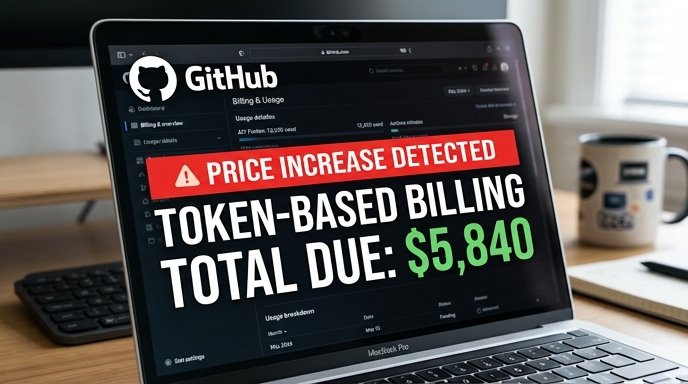
GitHub Copilot shifts to token-based billing as developers report massive price hikes
GitHub Copilot moves to token-based billing on June 1. Learn why costs are soaring and how to optimize your workflow to avoid massive monthly bills.
The golden age of flat-rate AI assistance is coming to an abrupt end for many software developers. Starting June 1, Microsoft is transitioning Github Copilot from its familiar subscription model to a token-based billing system. This change means users will no longer pay a predictable monthly fee but will instead be charged based on the specific volume of data processed during their coding sessions. While large enterprises might absorb these costs easily, individual contributors and smaller startups are bracing for a significant impact on their monthly budgets.
The initial feedback from the developer community suggests that the financial shift is far from subtle. On platforms like Reddit, users have shared screenshots of projected bills that have ballooned from double digits to thousands of dollars. One developer noted that their monthly cost was set to jump from $29 to nearly $750, while another saw a staggering increase from $50 to over $3,000. Such drastic escalations have led many to question whether the tool remains a cost-effective solution for practical, everyday development tasks.
However, not everyone agrees that the new pricing model is inherently flawed. Some experienced users argue that these extreme price hikes are the result of inefficient workflows, often referred to as vibe-coding. This style of development involves running massive, bloated iterations and spawning numerous sub-agents without a clear technical strategy. Critics of the complainers suggest that if the tool is used with precision, the token consumption remains manageable and affordable even for small outfits.
The controversy also highlights the unsustainable economics of the previous model, with many wondering how much money Microsoft was losing by subsidizing heavy usage. Some developers feel the company is “pulling the rug out” after encouraging users to integrate the chatbot deeply into their coding environment. By making it easier to trigger premium requests that churn for hours, Microsoft may have inadvertently trained users to burn through tokens at a rate that is now financially punitive under the new usage-based structure.
As the industry moves toward more transparent but potentially more expensive AI consumption models, developers must learn to optimize their prompts to avoid financial whiplash. The transition to token-based billing marks a pivotal moment where the true cost of AI-assisted development is finally being passed down to the end user. To ensure your workflow remains sustainable, take the time to audit your current usage patterns and consider setting strict billing limits before the June deadline arrives.

LIÊN HỆ TƯ VẤN CÁC DỊCH VỤ AI
Hỗ trợ tư vấn, đào tạo và chuyển giao AI cho cá nhân, doanh nghiệp và tổ chức.
 Liên hệ qua Zalo